Supply Chain Disruptions 2026: Practical Solutions for Businesses
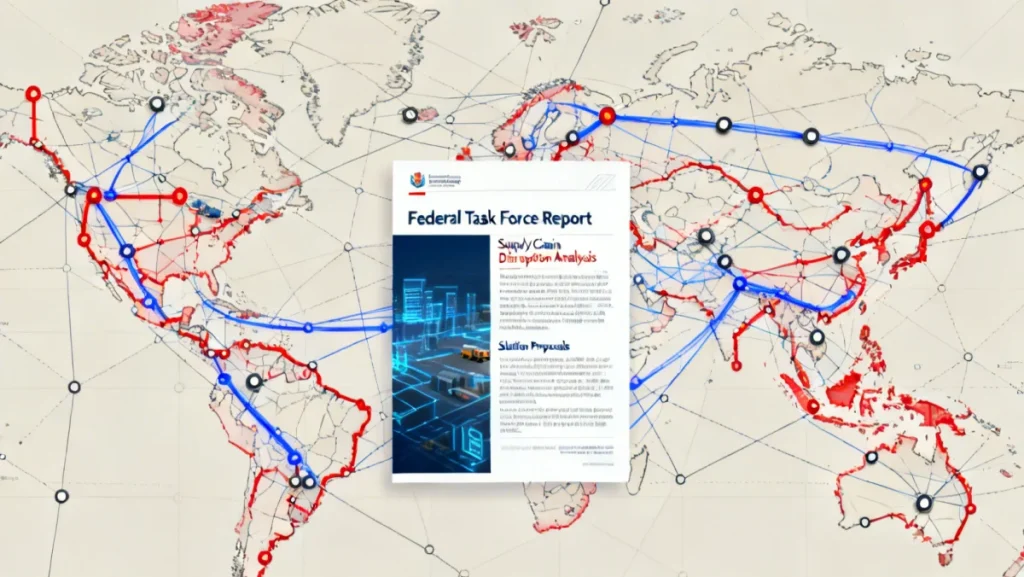
Federal task force reports confirm that supply chain disruptions continue in 2026, leading to widespread 3-month delays in critical sectors, demanding immediate and practical solutions for businesses to navigate these persistent challenges effectively.
As we navigate further into the mid-2020s, the persistent challenge of supply chain disruptions continue in 2026, impacting industries across the board. A recent federal task force report has highlighted an alarming three-month delay in key sectors, signaling that businesses must adopt robust, practical solutions to maintain operational continuity and competitiveness. This isn’t merely a temporary hiccup; it’s a systemic shift demanding strategic foresight and agile responses.
Understanding the Persistent Nature of 2026 Supply Chain Disruptions
The landscape of global commerce continues to be shaped by unforeseen events and evolving geopolitical dynamics, making the persistence of supply chain disruptions a critical concern for 2026. Businesses are grappling with a complex web of challenges that extend beyond initial forecasts, requiring a deeper understanding of their root causes.
These disruptions aren’t singular incidents but rather a confluence of factors, ranging from geopolitical tensions affecting trade routes to climate-related events impacting raw material availability. The federal task force’s findings underscore that these issues are not diminishing but are becoming embedded challenges within the operational fabric of many industries.
Key Factors Contributing to Ongoing Delays
Several interconnected elements are fueling the prolonged instability in supply chains. Identifying these factors is the first step towards developing effective mitigation strategies.
- Geopolitical Volatility: Shifting international relations and trade policies create unpredictable bottlenecks and tariffs.
- Climate Change Impacts: Extreme weather events increasingly disrupt production, transportation, and resource availability.
- Labor Shortages: Persistent deficits in skilled labor, particularly in logistics and manufacturing, hinder efficiency.
- Infrastructure Strain: Aging infrastructure in ports, roads, and rail struggles to handle increased demand and evolving logistical needs.
Understanding these underlying causes allows businesses to move beyond reactive measures and implement more resilient, long-term strategies. The ongoing nature of these challenges necessitates a proactive and adaptive approach to supply chain management.
Leveraging Technology for Enhanced Supply Chain Visibility
In an era where supply chain disruptions continue in 2026, technology emerges as a crucial enabler for businesses seeking to gain control and foresight. Enhanced visibility across the entire supply chain is no longer a luxury but a fundamental requirement for mitigating risks and responding effectively to unforeseen events.
Implementing advanced technological solutions allows companies to track goods in real-time, monitor supplier performance, and anticipate potential delays before they escalate. This proactive stance empowers decision-makers with the data necessary to reroute shipments, adjust production schedules, and communicate transparently with customers.
Implementing Real-time Tracking and Analytics
Modern supply chains generate vast amounts of data. Harnessing this data through real-time tracking and advanced analytics provides unparalleled insights into operational performance and potential vulnerabilities.
- IoT Sensors: Deploying Internet of Things (IoT) devices for precise location tracking, temperature monitoring, and condition assessment of goods in transit.
- AI-Powered Forecasting: Utilizing artificial intelligence to analyze historical data, market trends, and external factors for more accurate demand and supply predictions.
- Blockchain Technology: Implementing blockchain for immutable, transparent records of transactions and movements, enhancing trust and traceability.
These technological advancements not only improve efficiency but also build greater resilience into the supply chain, allowing businesses to remain agile even when facing significant external pressures. By embracing these tools, companies can transform potential disruptions into opportunities for optimization.
Diversifying Sourcing and Manufacturing Strategies
The federal task force’s report on persistent supply chain disruptions continue in 2026 underscores the critical need for businesses to re-evaluate their sourcing and manufacturing footprints. Over-reliance on single suppliers or concentrated geographical regions has proven to be a major vulnerability, leading to significant delays and increased costs when disruptions occur.
Diversification is not just about having alternative suppliers; it involves a holistic strategy that considers geographical spread, supplier capabilities, and the potential for regional manufacturing hubs. This approach aims to reduce dependency and build a more robust network capable of weathering various global challenges.
Building a Resilient Supplier Network
Creating a diversified and resilient supplier network requires strategic planning and careful execution. It involves identifying and qualifying new partners across different regions and establishing strong, collaborative relationships.
- Multi-Region Sourcing: Engaging suppliers from various countries or continents to reduce exposure to localized risks like natural disasters or geopolitical conflicts.
- Dual Sourcing for Critical Components: Ensuring at least two qualified suppliers for essential raw materials or components to prevent single points of failure.
- Nearshoring/Reshoring Initiatives: Exploring opportunities to bring manufacturing closer to home markets or within politically stable regions to reduce transit times and mitigate international trade risks.
By actively pursuing these diversification strategies, companies can significantly reduce their vulnerability to external shocks, ensuring a more consistent flow of goods and components even amidst ongoing global complexities.

Strengthening Logistics and Transportation Networks
With supply chain disruptions continue in 2026, the efficiency and resilience of logistics and transportation networks are paramount. A three-month delay, as reported by the federal task force, highlights the severe impact that bottlenecks and inefficiencies in transit can have on overall business operations and customer satisfaction.
Optimizing transportation routes, investing in modern logistics infrastructure, and exploring multimodal shipping options are essential for minimizing transit times and ensuring the timely delivery of goods. This involves a comprehensive review of current practices and an openness to innovative solutions.
Optimizing Routes and Embracing Multimodal Transport
Effective logistics management goes beyond simply moving goods from point A to point B; it involves strategic planning to navigate potential chokepoints and leverage diverse transportation modes.
Companies are increasingly turning to multimodal transport, combining different forms of transport like sea, air, rail, and road, to optimize speed, cost, and reliability. This flexibility is crucial when one mode faces unexpected delays or capacity constraints. Furthermore, advanced route optimization software can dynamically adjust paths based on real-time traffic, weather, and geopolitical information, reducing lead times and fuel consumption.
Investing in smart warehouses equipped with automation and robotics can significantly improve throughput and reduce handling errors. These facilities serve as critical nodes in the network, ensuring efficient storage, sorting, and dispatch of products. By focusing on both the physical and digital aspects of logistics, businesses can build a more robust and responsive transportation system.
Building strong supplier relationships and collaboration
In the face of ongoing supply chain disruptions continue in 2026, the importance of strong, collaborative relationships with suppliers cannot be overstated. A federal task force report indicating multi-month delays emphasizes that transactional relationships are no longer sufficient; a partnership approach is essential for navigating shared challenges.
Transparent communication, mutual trust, and shared risk management strategies are fundamental to fostering a resilient ecosystem. When suppliers and buyers work together, they are better equipped to anticipate issues, share information, and develop joint solutions that benefit all parties involved.
Fostering Transparency and Joint Planning
Effective collaboration begins with open lines of communication and a willingness to share critical information. This includes demand forecasts, production schedules, and potential supply constraints.
- Joint Risk Assessments: Collaborating with key suppliers to identify potential risks and develop contingency plans together, ensuring a coordinated response to disruptions.
- Shared Data Platforms: Implementing shared digital platforms for real-time data exchange on inventory levels, order status, and production capacity.
- Long-term Contracts with Flexibility: Negotiating contracts that offer stability while also including clauses for adaptability in the event of unforeseen market changes or disruptions.
By treating suppliers as integral partners rather than mere vendors, businesses can unlock greater flexibility and responsiveness within their supply chains. This collaborative spirit is a cornerstone of resilience in an increasingly unpredictable global market.
Developing Agile and Adaptive Supply Chain Models
The federal task force’s report clearly indicates that supply chain disruptions continue in 2026, necessitating a fundamental shift towards more agile and adaptive supply chain models. Traditional, rigid supply chains designed for efficiency in stable environments are proving inadequate in the face of constant volatility and unexpected three-month delays.
An agile supply chain is characterized by its ability to quickly sense changes in demand or supply, and then rapidly respond by reconfiguring operations, adjusting production, or rerouting logistics. This adaptability is crucial for maintaining competitive advantage and ensuring business continuity.
Embracing Scenario Planning and Contingency Measures
Agility is not merely about speed; it’s about foresight and preparedness. Companies must engage in comprehensive scenario planning to anticipate various potential disruptions and develop robust contingency plans.
This involves simulating different disruption scenarios, such as port closures, raw material shortages, or sudden shifts in consumer demand, and then mapping out alternative courses of action. For instance, having pre-approved alternative transportation methods, backup manufacturing sites, or emergency inventory buffers can significantly reduce the impact of unexpected events.
Furthermore, fostering a culture of continuous improvement and learning within the organization is vital. Regularly reviewing and updating these plans based on new information and real-world experiences ensures that the supply chain remains resilient and responsive. By integrating agility into their core strategy, businesses can transform potential threats into opportunities for innovation and sustained growth.
| Key Solution Area | Brief Description of Strategy |
|---|---|
| Enhanced Visibility | Utilize IoT, AI, and blockchain for real-time tracking and predictive analytics across the supply chain. |
| Sourcing Diversification | Implement multi-region sourcing, dual sourcing, and consider nearshoring to reduce dependency. |
| Logistics Optimization | Optimize routes, embrace multimodal transport, and invest in smart warehousing for efficient delivery. |
| Agile Models | Develop adaptive supply chain structures with scenario planning and robust contingency measures. |
Frequently Asked Questions about 2026 Supply Chain Resilience
Persistent disruptions stem from a combination of geopolitical tensions, climate change impacts, labor shortages in logistics, and strain on existing global infrastructure. These factors create a complex and volatile environment for supply chain management.
Technology enhances resilience through real-time tracking (IoT), AI-powered forecasting, and blockchain for transparency. These tools provide critical visibility and predictive capabilities, enabling businesses to react swiftly and strategically to unforeseen events.
Diversifying supplier networks reduces dependence on single points of failure. By sourcing from multiple regions and suppliers, businesses can mitigate risks associated with localized disruptions, ensuring a more stable and continuous flow of materials and components.
Businesses should optimize routes using advanced software, embrace multimodal transport options, and invest in smart warehousing solutions. These measures help reduce transit times, improve efficiency, and enhance overall delivery reliability.
Strong collaboration with suppliers, characterized by transparency and joint planning, is vital. Sharing data, conducting joint risk assessments, and establishing flexible long-term contracts fosters a resilient ecosystem capable of collective problem-solving during disruptions.
Conclusion
The federal task force’s report confirms that supply chain disruptions continue in 2026, presenting significant challenges but also clear pathways for adaptation. Businesses must move beyond reactive strategies and embrace a proactive, multi-faceted approach centered on technological integration, supplier diversification, logistics optimization, strong partnerships, and agile operational models. By strategically investing in these practical solutions, companies can not only mitigate the impact of current delays but also build more resilient, future-proof supply chains capable of thriving in an increasingly dynamic global economy.
Autor