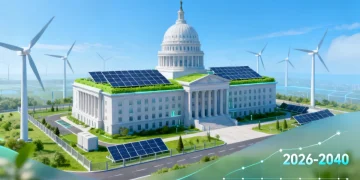
Climate Change Policy 2026: New Federal Mandates for Emissions Reduction by 2040 – RECENT UPDATES
The 2026 federal climate change policy introduces ambitious new mandates for emissions reduction by 2040, significantly reshaping the energy sector, transportation, and industrial practices across the United States to combat global warming.

Education Funding Bill 2026: $50 Billion for School Improvements
The Education Funding Bill 2026 earmarks $50 billion for national school improvements, aiming to modernize facilities, enhance technology, and support equitable educational opportunities across the United States.

Supply Chain Disruptions 2026: Practical Solutions for Businesses
Federal reports indicate that supply chain disruptions will persist into 2026, causing significant delays in key sectors, necessitating proactive and practical solutions for businesses to adapt and thrive amidst ongoing global challenges.
Federal Reserve Digital Currency Pilot Program 2026: Initial 6-Month Findings
The Federal Reserve's Digital Currency Pilot Program, six months into 2026, reveals crucial insights into the feasibility and impact of a potential U.S. central bank digital currency, highlighting both progress and persistent challenges.
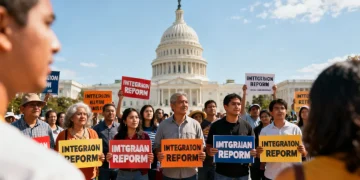
Immigration Reform Debate 2026: New Legislation, 11 Million Undocumented
The 2026 immigration reform debate intensifies as new legislative proposals aim to address the status of an estimated 11 million undocumented individuals, sparking widespread discussion across the United States.

Pentagon Report 2026: 3 Emerging Global Risks & Updates
The Pentagon's 2026 National Security Threat Assessment outlines three pivotal emerging global risks, demanding immediate strategic adaptation and recent policy updates to safeguard national interests.

DOE Forecasts 8% Renewable Energy Surge by 2025
The Department of Energy forecasts an 8% increase in renewable energy production by the end of 2025, signaling a significant shift towards sustainable power sources and a greener future for the United States.
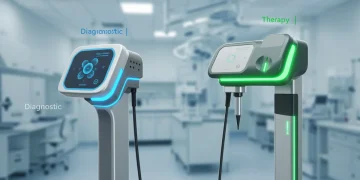
FDA Approves 2 New Breakthrough Medical Devices by Mid-2025
The FDA has granted approval to two innovative medical devices, anticipated to be available by mid-2025, promising significant advancements in diagnostic and therapeutic capabilities for various medical conditions.

MedicaidAccess: Your Key to Affordability and Care
MedicaidAccess provides essential insights on accessing affordable healthcare services. Discover how Medicaid can change your health journey today.

SNAPupdates: why you should care about privacy now
SNAPupdates focuses on essential privacy tips that everyone should know. Let's explore why protecting your information is crucial now.