Climate Change Policy 2026: New Federal Mandates for Emissions Reduction by 2040 – RECENT UPDATES
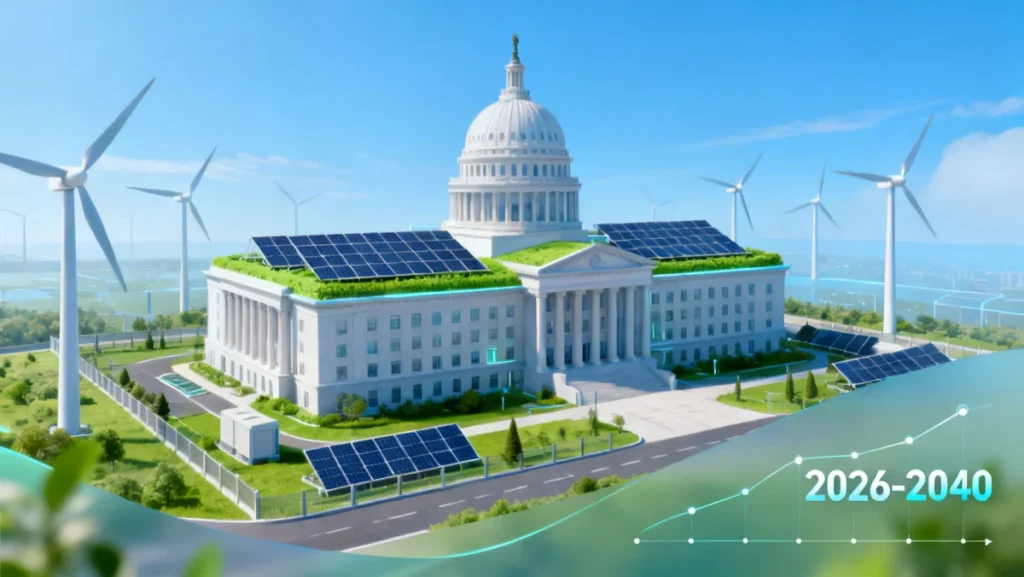
The 2026 federal climate change policy introduces ambitious new mandates for emissions reduction by 2040, significantly reshaping the energy sector, transportation, and industrial practices across the United States to combat global warming.
The urgency of addressing climate change has never been more apparent, leading to significant legislative action. In 2026, the United States government unveiled a landmark Climate Change Policy 2026: New Federal Mandates for Emissions Reduction by 2040 – RECENT UPDATES, setting an ambitious course for a sustainable future. These new federal mandates are poised to redefine how industries operate, how energy is produced and consumed, and ultimately, how Americans live, all with the overarching goal of drastically reducing greenhouse gas emissions by 2040.
Understanding the 2026 Federal Climate Mandates
The 2026 federal climate mandates represent a pivotal moment in the nation’s environmental policy. These comprehensive regulations are designed to accelerate the transition away from fossil fuels and foster widespread adoption of renewable energy sources, energy efficiency, and sustainable practices across all sectors of the economy. The overarching goal is a substantial reduction in national emissions, aiming for a cleaner, more resilient environment for future generations.
This policy framework is built upon scientific consensus and aims to meet international climate commitments while also spurring domestic innovation and economic growth in green technologies. It acknowledges the complex interplay between environmental protection and economic development, seeking to create a pathway that benefits both.
Key Pillars of the Policy
The new federal climate mandates are structured around several core principles, each targeting specific areas where emissions reductions are critical. These pillars collectively form a robust strategy to achieve the 2040 targets.
- Renewable Energy Transition: Significant incentives and regulations to boost solar, wind, and geothermal power generation, aiming for a largely decarbonized electricity grid.
- Transportation Electrification: Aggressive targets for electric vehicle adoption, expansion of charging infrastructure, and development of cleaner public transit options.
- Industrial Decarbonization: Investment in carbon capture technologies, promotion of green hydrogen, and stricter emissions standards for heavy industries like steel and cement.
- Sustainable Agriculture and Land Use: Programs supporting climate-smart farming practices, reforestation, and improved land management to enhance carbon sequestration.
The mandates go beyond mere suggestions, introducing legally binding requirements and financial penalties for non-compliance, alongside substantial grants and tax credits for early adopters and innovators. This dual approach of regulation and incentive is crucial for driving rapid change across diverse economic landscapes.
In essence, the 2026 federal climate mandates are a testament to the nation’s renewed commitment to combating climate change. They provide a clear roadmap for achieving ambitious emissions reduction goals, fostering a sustainable economy, and ensuring a healthier planet for all.
Impact on Energy Production and Consumption
The new federal climate mandates are set to profoundly reshape the landscape of energy production and consumption within the United States. With aggressive targets for renewable energy integration and a clear push away from fossil fuels, the energy sector is undergoing a monumental transformation. This shift is not just about where our energy comes from, but also how efficiently we use it.
Utilities are facing increased pressure to retire coal-fired power plants and invest heavily in solar, wind, and battery storage technologies. This will necessitate significant infrastructure upgrades and a more flexible, resilient grid capable of handling intermittent renewable sources. Consumers will also see changes, with greater access to renewable energy options and incentives for home efficiency improvements.
Shifting Power Grids
The move towards a decarbonized electricity grid is a central tenet of the 2026 policy. This involves not only increasing renewable capacity but also modernizing the existing grid to support bidirectional energy flow and smart technologies.
- Grid Modernization: Investment in smart grid technologies, advanced metering infrastructure, and demand-response programs to optimize energy use and integrate renewables more effectively.
- Energy Storage Solutions: Development and deployment of large-scale battery storage, pumped-hydro, and other storage technologies to ensure grid stability and reliability as renewable energy penetration increases.
- Interstate Transmission: Streamlining permitting processes and funding new high-voltage transmission lines to move renewable energy from resource-rich areas to demand centers.
Furthermore, the mandates encourage distributed energy resources, such as rooftop solar and community microgrids, empowering individuals and local communities to play a more active role in energy generation. This decentralization aims to enhance energy security and resilience against disruptions.
The impact extends to energy consumption as well, with new building codes promoting energy efficiency and incentives for electrifying homes and businesses. The goal is to reduce overall energy demand while ensuring that the energy consumed is increasingly clean. This comprehensive approach ensures that both the supply and demand sides of the energy equation contribute to the national emissions reduction targets.
Transformations in Transportation and Industry
The transportation and industrial sectors, historically major contributors to greenhouse gas emissions, are at the forefront of the transformations driven by the 2026 federal climate mandates. These mandates introduce stringent regulations and significant investments aimed at decarbonizing these critical segments of the economy. The shift is not merely incremental; it represents a fundamental re-imagining of how goods are moved and how products are manufactured.
In transportation, the focus is heavily on accelerating the adoption of electric vehicles (EVs) across all classes, from passenger cars to heavy-duty trucks. This is coupled with a massive build-out of charging infrastructure to support this transition. For industry, the challenge involves developing and deploying innovative technologies to reduce process emissions and transition to cleaner fuels.
Accelerating Electric Mobility
The push for electric vehicles is central to the transportation sector’s emissions reduction strategy. The mandates include a multi-pronged approach to make EVs more accessible and appealing to consumers and businesses alike.
- EV Manufacturing Incentives: Tax credits and grants for companies establishing or expanding EV and battery manufacturing facilities within the U.S.
- Charging Infrastructure Expansion: Federal funding for a national network of fast-charging stations, ensuring access in urban, suburban, and rural areas.
- Fleet Electrification: Mandates and incentives for federal, state, and local government fleets, as well as commercial fleets, to transition to zero-emission vehicles.
Beyond personal vehicles, the policy addresses the electrification of public transit, school buses, and even port equipment, aiming for a holistic shift in how people and goods move. This comprehensive electrification strategy will significantly reduce reliance on gasoline and diesel, leading to cleaner air and quieter communities.
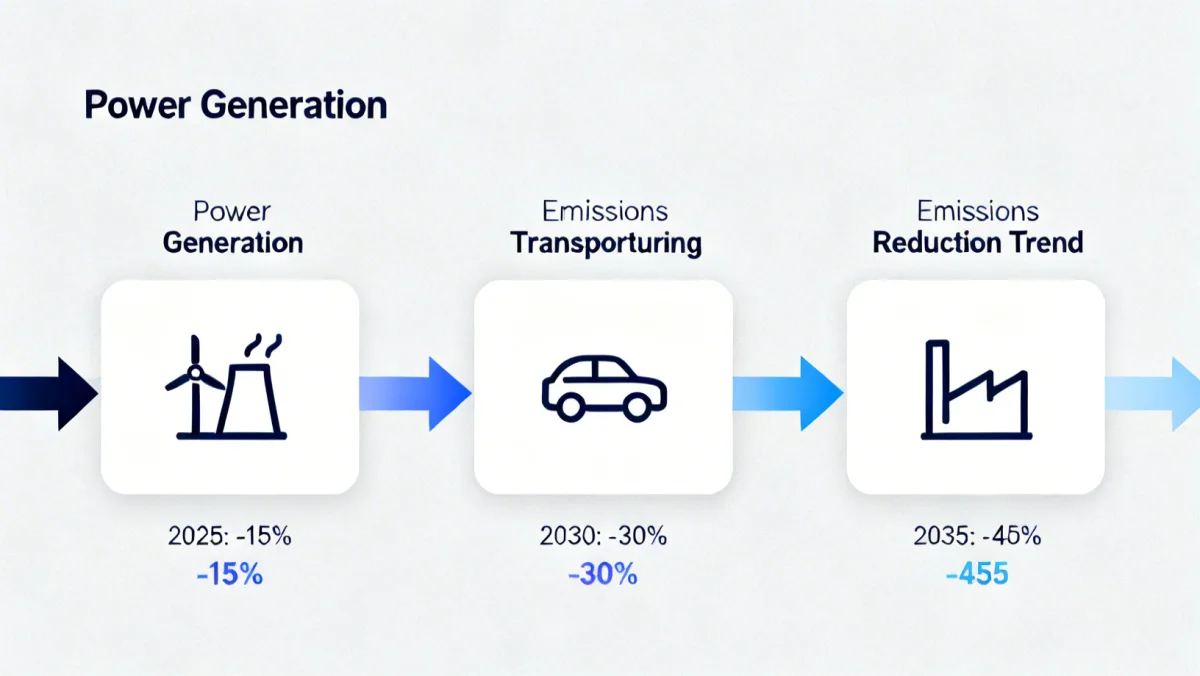
Industrial Decarbonization Strategies
For heavy industries, the path to decarbonization is more complex, requiring significant technological innovation and investment. The mandates encourage the adoption of cutting-edge solutions to reduce emissions from processes that are traditionally hard to abate.
- Carbon Capture, Utilization, and Storage (CCUS): Funding for research, development, and deployment of CCUS technologies in sectors like cement, steel, and chemical production.
- Green Hydrogen Production: Incentives for producing hydrogen using renewable energy, positioning it as a clean fuel and feedstock for industrial processes.
- Energy Efficiency Upgrades: Programs to help industrial facilities improve energy efficiency, reducing both emissions and operating costs.
The policy also promotes the development of circular economy principles, encouraging waste reduction, recycling, and reuse of materials to minimize the environmental footprint of manufacturing. These integrated approaches are vital for achieving the ambitious emissions reduction targets in these complex sectors.
Ultimately, the transformations in transportation and industry are designed to create a more sustainable and competitive economy. By investing in clean technologies and practices, the U.S. aims to become a leader in the global green economy, creating new jobs and economic opportunities while simultaneously addressing the climate crisis.
Economic Implications and Job Creation
The implementation of the 2026 federal climate mandates is poised to have profound economic implications, extending far beyond environmental benefits. While the transition will undoubtedly present challenges for certain traditional industries, it is also expected to be a powerful catalyst for job creation, innovation, and long-term economic growth. The focus is on leveraging this shift to build a robust, green economy that offers new opportunities across the nation.
Economists and policy experts anticipate a significant reallocation of capital towards renewable energy projects, electric vehicle manufacturing, and sustainable infrastructure development. This investment surge will generate demand for skilled labor in areas such as engineering, construction, manufacturing, and technological development, fostering a new generation of green jobs.
Emergence of Green Jobs
The transition to a low-carbon economy is projected to create millions of new jobs, many of which will be high-paying and require specialized skills. These jobs span a wide array of sectors and offer diverse career paths.
- Renewable Energy Specialists: Installers, technicians, and engineers for solar, wind, and geothermal power generation.
- Electric Vehicle Manufacturing: Production line workers, battery specialists, and software developers for EV technologies.
- Sustainable Infrastructure Development: Civil engineers, urban planners, and construction workers for smart grids, public transit, and green buildings.
Beyond direct job creation, the mandates are expected to stimulate growth in supporting industries, including research and development, education and training, and supply chain logistics for green technologies. This ripple effect will benefit communities across the country, particularly those seeking economic diversification.
However, the policy also acknowledges the need for a just transition for workers in fossil fuel industries. Programs for retraining, relocation assistance, and early retirement incentives are included to ensure that these communities are not left behind in the shift to a cleaner economy. The goal is to provide pathways to new opportunities, ensuring economic security for all Americans during this transformation.
The economic impact of the 2026 federal climate mandates is a complex but ultimately optimistic outlook. While there will be adjustments, the long-term vision is one of a more resilient, innovative, and prosperous economy, fueled by sustainable practices and clean energy, creating a wealth of new opportunities for the American workforce.
Challenges and Opportunities in Implementation
Implementing the ambitious 2026 federal climate mandates will undoubtedly come with its share of challenges, requiring careful planning, robust collaboration, and adaptive strategies. However, these very challenges also present significant opportunities for innovation, technological advancement, and strengthening national infrastructure. Navigating this complex landscape will be key to the policy’s success and its ability to deliver on the promise of emissions reduction by 2040.
One of the primary challenges lies in the sheer scale of the transformation required. Shifting entire energy systems, transportation networks, and industrial processes within a relatively short timeframe demands unprecedented coordination between federal, state, and local governments, as well as private industry and research institutions. Overcoming bureaucratic hurdles and fostering a unified vision will be crucial.
Overcoming Regulatory and Infrastructure Hurdles
The path to a decarbonized future is paved with regulatory complexities and infrastructure demands that need to be addressed proactively. Streamlining processes and ensuring adequate investment are paramount.
- Permitting Reform: Accelerating the approval process for renewable energy projects and transmission lines without compromising environmental standards.
- Supply Chain Resilience: Building robust domestic supply chains for critical minerals, battery components, and other green technologies to reduce reliance on foreign sources.
- Grid Interconnectivity: Enhancing the national electricity grid to handle increased renewable energy input and ensure reliability across regions.
Another significant challenge is ensuring equitable distribution of the benefits and burdens of the transition. Policies must be designed to prevent disproportionate impacts on vulnerable communities and to ensure that all Americans have access to clean energy and the economic opportunities that arise from the green economy. This includes addressing energy poverty and ensuring affordable access to new technologies.
Despite these hurdles, the opportunities are immense. The mandates are a powerful driver for technological innovation, encouraging research and development in areas like advanced energy storage, sustainable materials, and carbon removal technologies. This could position the U.S. as a global leader in the green technology sector, fostering exports and international collaboration.
Furthermore, the policy presents an opportunity to improve public health through reduced air and water pollution, creating healthier communities and lowering healthcare costs. It also enhances national security by reducing reliance on volatile global energy markets. By strategically addressing the challenges, the 2026 federal climate mandates can unlock a future of sustainable growth and environmental stewardship, capitalizing on the vast opportunities inherent in this critical transition.
Global Context and International Cooperation
The 2026 federal climate mandates are not enacted in isolation; they are part of a broader global effort to combat climate change, deeply intertwined with international agreements and the actions of other nations. The United States’ renewed commitment to emissions reduction by 2040 signals a stronger position on the world stage, influencing global climate diplomacy and fostering opportunities for international cooperation. This policy reinforces the nation’s role in addressing a challenge that transcends national borders.
Climate change is a global phenomenon, and its effective mitigation requires coordinated action from all major emitters. The U.S. mandates demonstrate leadership and provide a framework that can inspire similar ambitious actions from other countries, contributing to the collective goal of limiting global warming to well below 2 degrees Celsius above pre-industrial levels, as outlined in the Paris Agreement.
Strengthening Diplomatic Ties
The U.S. policy enhances its credibility in international climate negotiations, allowing it to advocate more effectively for stronger global targets and more robust implementation mechanisms. This renewed leadership can facilitate critical partnerships.
- Technology Transfer: Collaborating with developing nations to share clean energy technologies and expertise, accelerating their decarbonization efforts.
- Joint Research Initiatives: Partnering with international scientific bodies and other countries on climate research, monitoring, and adaptation strategies.
- Climate Finance: Contributing to and leveraging international climate funds to support vulnerable countries in their climate resilience and mitigation projects.
However, the global context also presents challenges, including geopolitical complexities, varying levels of economic development among nations, and the need to ensure fair and equitable burden-sharing. The U.S. must navigate these issues carefully, promoting solutions that are both effective and inclusive, recognizing that an isolated approach will ultimately fall short.
Moreover, the mandates will likely influence international trade and investment flows. Countries that align with similar ambitious climate goals may find opportunities for increased collaboration and market access for green technologies. Conversely, nations with less stringent environmental regulations might face increased scrutiny or trade barriers, encouraging a global race to the top in climate action.
In essence, the 2026 federal climate mandates are a critical piece of the global climate puzzle. By demonstrating strong domestic action, the United States strengthens its hand in international diplomacy, fosters essential collaborations, and contributes significantly to the worldwide effort to secure a sustainable future for all. The success of these mandates will resonate far beyond American borders, influencing the trajectory of global climate action for decades to come.
| Key Policy Area | Brief Description |
|---|---|
| Emissions Reduction Target | Ambitious federal goal to significantly cut greenhouse gas emissions by 2040 across all sectors. |
| Renewable Energy Focus | Strong incentives and regulations for solar, wind, and other clean energy sources, aiming for a decarbonized grid. |
| Transportation Electrification | Aggressive push for electric vehicle adoption and extensive charging infrastructure development nationwide. |
| Industrial Decarbonization | Investment in carbon capture, green hydrogen, and efficiency upgrades for heavy industries. |
Frequently Asked Questions About the 2026 Climate Policy
The main goals are to significantly reduce greenhouse gas emissions across all sectors of the U.S. economy by 2040, accelerate the transition to renewable energy, electrify transportation, and decarbonize industrial processes, aligning with international climate commitments.
Households can expect increased access to electric vehicles, expanded public charging infrastructure, incentives for home energy efficiency upgrades, and a cleaner electricity supply. There may also be new job opportunities in green industries and improved air quality.
The energy production, transportation, and heavy industry sectors (e.g., steel, cement, chemicals) will experience the most significant impacts. They face new regulations, investment requirements, and incentives to adopt cleaner technologies and practices to meet emissions targets.
Yes, the mandates are expected to spur significant job creation in renewable energy, EV manufacturing, and sustainable infrastructure. They also aim to foster innovation, attract green investments, and enhance long-term economic resilience by reducing reliance on volatile fossil fuel markets.
International cooperation is crucial. The U.S. policy strengthens its leadership in global climate diplomacy, facilitating technology transfer, joint research, and climate finance initiatives with other nations to collectively achieve global emissions reduction goals and address the shared challenge of climate change.
Conclusion
The 2026 federal climate mandates represent a monumental step forward in the United States’ commitment to addressing climate change. By setting clear and ambitious targets for emissions reduction by 2040, the policy initiates a comprehensive transformation across the energy, transportation, and industrial sectors. While challenges in implementation and economic adjustments are inevitable, the long-term vision is one of a more sustainable, resilient, and prosperous nation. These mandates not only promise a cleaner environment and improved public health but also aim to solidify the U.S. as a leader in the global green economy, fostering innovation and creating new opportunities for future generations. The success of this policy will be a testament to collective action and a blueprint for a sustainable future.
Autor