Federal Reserve Digital Currency Pilot Program 2026: Initial 6-Month Findings
The Federal Reserve’s Digital Currency Pilot Program, six months into 2026, reveals crucial insights into the feasibility and impact of a potential U.S. central bank digital currency, highlighting both progress and persistent challenges.
As the financial world continues its rapid evolution, the United States stands at a pivotal juncture with the ongoing Federal Reserve Digital Currency Pilot Program 2026: Initial Findings After 6 Months – INSIDER KNOWLEDGE offering critical insights into the future of money. This initiative, designed to explore the practicalities and implications of a potential central bank digital currency (CBDC), has reached its six-month milestone, providing a preliminary look into its complex landscape.
Understanding the Federal Reserve Digital Currency Pilot Program
The Federal Reserve’s exploration into a digital currency is not merely a technological experiment; it’s a profound inquiry into the very structure of the U.S. financial system. Launched with a clear mandate to assess the benefits and risks of a U.S. CBDC, the pilot program has been meticulously designed to gather real-world data and stakeholder feedback.
This program operates under several key principles, including privacy, financial stability, and inclusion, aiming to ensure any future digital dollar aligns with American values and economic goals. The initial six months have focused on controlled environments, testing various technological architectures and operational models with selected participants.
Pilot Program Objectives
- Technological Feasibility: Evaluating the robustness, scalability, and security of different CBDC designs.
- Economic Impact: Analyzing potential effects on monetary policy, financial markets, and the broader economy.
- User Experience: Assessing the ease of use, accessibility, and utility for diverse populations.
The Federal Reserve has emphasized that this pilot is purely for research and development, not an immediate commitment to launch a CBDC. However, the findings are instrumental in shaping policy discussions and informing future decisions regarding digital currency in the U.S. The initial phase focused heavily on understanding the foundational infrastructure necessary for a digital dollar, including distributed ledger technologies and centralized alternatives, and their respective trade-offs.
Concluding this section, the pilot program represents a cautious yet determined step by the Federal Reserve to remain at the forefront of financial innovation. Its comprehensive approach to evaluating a digital currency underscores the complexity and significant implications of such a transformative shift.
Technological Infrastructure and Performance Metrics
A cornerstone of the pilot program’s initial phase has been the rigorous testing of various technological infrastructures. The Federal Reserve is exploring different approaches, from centralized models akin to traditional banking systems to more decentralized, blockchain-inspired architectures, each with its own set of advantages and challenges.
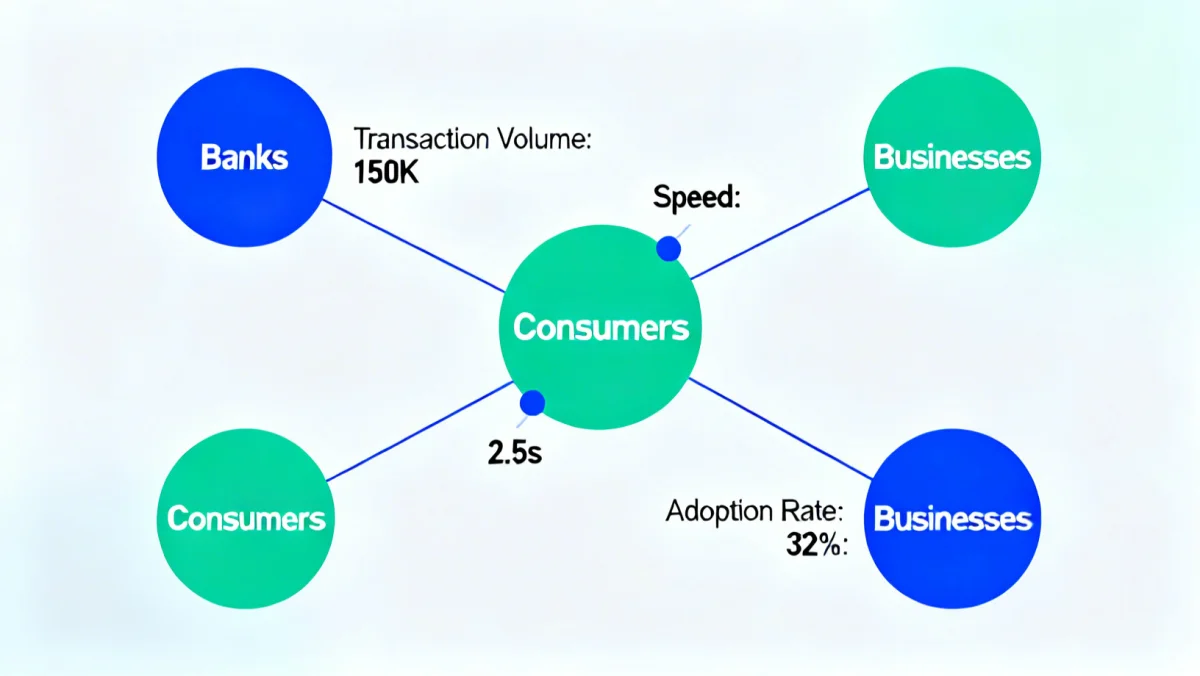
Performance metrics have been meticulously tracked, focusing on transaction speed, throughput, and system resilience. Early data suggests that while high-volume transactions are achievable with certain designs, maintaining privacy and security alongside these performance levels presents a nuanced technical hurdle. Interoperability with existing financial systems is also a critical consideration, ensuring a smooth transition if a CBDC were to be implemented.
Key Performance Indicators (KPIs)
- Transaction Latency: Measuring the time taken for a transaction to be completed.
- Scalability: Assessing the system’s ability to handle increasing transaction volumes without degradation.
- Security Protocols: Evaluating the effectiveness of cryptographic and other security measures against cyber threats.
The pilot has illuminated the trade-offs between different architectural choices. For instance, highly centralized systems tend to offer greater control and potentially faster transaction speeds in some scenarios, but may raise concerns about censorship resistance and single points of failure. Conversely, more decentralized approaches offer enhanced resilience and transparency but can introduce complexities in governance and regulatory oversight.
In summary, the technical findings from the first six months are providing invaluable data, informing the Federal Reserve about the most promising pathways for a robust and secure digital currency infrastructure. The balance between performance, security, and privacy remains a central theme in these technological evaluations.
Impact on Financial Inclusion and Accessibility
One of the most compelling arguments for a U.S. CBDC has been its potential to foster greater financial inclusion. The pilot program has dedicated significant resources to understanding how a digital dollar could benefit unbanked and underbanked populations, who currently face barriers to accessing traditional financial services. Initial findings indicate mixed results, highlighting both opportunities and persistent challenges.
The design of user interfaces and the ease of account creation are crucial factors. While a digital currency could theoretically lower transaction costs and improve access to payments, digital literacy and access to necessary technology (smartphones, internet connectivity) remain significant hurdles for some demographics. The program is exploring various access points, including mobile applications and potentially physical cards, to bridge these gaps.
Promising Avenues for Inclusion
- Reduced Transaction Fees: Eliminating intermediary fees for basic financial services.
- Broader Access to Payments: Enabling digital transactions for individuals without traditional bank accounts.
- Simplified Account Opening: Streamlining the process for accessing digital currency services.
Addressing these issues requires a multi-faceted approach, combining technological solutions with educational initiatives and community outreach. The pilot’s early data suggests that while the technology can provide a platform for inclusion, successful implementation will depend heavily on complementary policies and support systems.
Ultimately, the program’s findings underscore that technological innovation alone is insufficient to guarantee financial inclusion. A holistic strategy that considers socioeconomic factors and digital readiness is essential to realize the full potential of a digital dollar in reaching underserved communities.
Privacy Concerns and Data Security Measures
The question of privacy has been a paramount consideration throughout the Federal Reserve Digital Currency Pilot Program. In an era where data breaches are common and digital footprints are constantly expanding, ensuring the privacy of users in a CBDC system is critical for public trust and adoption. The initial six months have brought these concerns to the forefront, as the program tests various cryptographic and architectural solutions.
The Federal Reserve is exploring a ‘privacy by design’ approach, integrating privacy-enhancing technologies from the ground up. This includes evaluating techniques like zero-knowledge proofs and tokenized transactions that could allow for verification without revealing sensitive personal information. However, balancing privacy with the need for anti-money laundering (AML) and counter-terrorist financing (CTF) regulations presents a complex regulatory and technical challenge.
Key Privacy Considerations
- Anonymity vs. Traceability: Striking a balance between user privacy and regulatory compliance.
- Data Minimization: Ensuring only essential data is collected and retained for transactions.
- Cybersecurity Resilience: Protecting the digital currency infrastructure from sophisticated cyberattacks.
The pilot program’s early observations reveal that achieving a high degree of privacy while adhering to existing financial regulations will require innovative solutions and potentially new legal frameworks. Public perception and trust are heavily influenced by the perceived level of privacy offered by a digital currency, making this a critical area of focus.
In conclusion, the pilot program’s deep dive into privacy and security issues highlights the intricate challenges involved in designing a CBDC that respects individual rights while upholding national security and financial integrity. The ongoing research is crucial for building a digital currency that gains widespread public acceptance.
Economic Implications and Monetary Policy Considerations
The potential economic implications of a U.S. CBDC are vast and multifaceted, touching upon everything from monetary policy effectiveness to the stability of the commercial banking system. The Federal Reserve’s pilot program has begun to model these effects, providing an early glimpse into how a digital dollar might reshape the financial landscape.
One primary area of focus is the impact on commercial banks. A CBDC could alter deposit flows, potentially leading to disintermediation if too many funds migrate from commercial banks to central bank digital accounts. The pilot is assessing mechanisms to mitigate this risk, such as tiered interest rates or limits on CBDC holdings. Furthermore, the role of a CBDC in enhancing cross-border payments and reducing remittance costs is also being evaluated, with promising early indicators.
Potential Economic Shifts
- Monetary Policy Transmission: How a CBDC could affect the speed and efficacy of interest rate changes.
- Financial Stability: Assessing risks to commercial banks and the broader financial system.
- International Payments: Streamlining cross-border transactions and reducing foreign exchange costs.
The program is also examining how a CBDC could influence inflation and deflationary pressures, as well as its potential role in managing economic crises. The ability for direct distribution of stimulus funds, for example, is a theoretical advantage being considered, though with careful attention to implementation challenges.
To sum up, the initial economic modeling from the pilot program points to both significant opportunities and considerable risks. The Federal Reserve is carefully navigating these complexities, aiming to design a digital currency that supports economic growth and stability without disrupting existing financial structures.
Stakeholder Feedback and Public Perception
A crucial component of the Federal Reserve Digital Currency Pilot Program has been the continuous engagement with a broad range of stakeholders, including financial institutions, technology firms, academic experts, and consumer advocacy groups. Gathering diverse perspectives is essential for understanding the multifaceted impacts of a potential CBDC and ensuring its design aligns with societal needs.
Initial feedback from these groups has been varied, reflecting the complex nature of the topic. Financial institutions are keenly interested in the interoperability of a CBDC with existing payment rails and the potential for new business models. Consumer groups emphasize the need for robust privacy protections and equitable access, particularly for vulnerable populations. Technology firms, on the other hand, are focused on the technical specifications and potential for innovation within the CBDC ecosystem.
Key Stakeholder Insights
- Financial Sector: Concerns about disintermediation balanced with opportunities for innovation.
- Consumer Advocates: Strong emphasis on privacy, accessibility, and protection against exploitation.
- Technology Developers: Focus on open standards, programmability, and integration capabilities.
Public perception, while still in its nascent stages, is also being closely monitored. Educational initiatives are underway to demystify CBDCs and address common misconceptions, as informed public discourse is vital for any future adoption. Early surveys suggest a mix of curiosity and skepticism, underscoring the need for transparent communication from the Federal Reserve.
In conclusion, the ongoing dialogue with stakeholders and the careful monitoring of public sentiment are proving invaluable. This feedback loop ensures that the pilot program remains grounded in real-world concerns and helps to build a foundation of trust and understanding for any future digital currency initiative.
Regulatory and Legal Frameworks in a Digital Currency Era
The introduction of a central bank digital currency in the United States would necessitate significant adjustments to existing regulatory and legal frameworks. The Federal Reserve Digital Currency Pilot Program has already begun to highlight areas where current laws may be insufficient or require clarification to accommodate a digital dollar. This includes aspects related to consumer protection, data governance, and the legal status of digital currency as a form of money.
One critical area is defining the legal tender status of a CBDC and how it would interact with existing payment systems and financial contracts. The program is also examining the implications for international cooperation and regulatory harmonization, especially as other nations explore or implement their own digital currencies. Ensuring legal clarity will be paramount for fostering stability and confidence in a digital financial ecosystem.
Regulatory Challenges
- Legal Tender Status: Defining the official standing of a U.S. CBDC.
- Consumer Protection: Adapting regulations to safeguard users in a digital currency environment.
- International Harmonization: Coordinating with global regulatory bodies on cross-border CBDC issues.
The pilot’s findings are informing discussions within legislative bodies and regulatory agencies about potential legislative changes and the need for new supervisory tools. The goal is to create a robust and adaptable framework that can support innovation while mitigating risks such as illicit finance and systemic vulnerabilities.
To summarize, the initial six months of the pilot program have underscored the profound legal and regulatory work that lies ahead. Establishing a clear and comprehensive legal foundation is not just a technicality but a fundamental requirement for the successful and responsible integration of a digital dollar into the U.S. economy.
| Key Aspect | Initial Finding |
|---|---|
| Technological Feasibility | High-volume transactions are achievable, but balancing speed with privacy is complex. |
| Financial Inclusion | Potential for broader access, but digital literacy and tech access remain barriers. |
| Privacy & Security | ‘Privacy by design’ explored, but regulatory compliance poses challenges. |
| Economic Impact | Potential for monetary policy enhancement, but risks to commercial banking exist. |
Frequently Asked Questions About the Fed Digital Currency Pilot
The program aims to research and evaluate the potential benefits and risks of a U.S. central bank digital currency (CBDC). It focuses on understanding technological feasibility, economic impacts, and implications for financial inclusion and privacy, without committing to a launch.
The pilot explores ‘privacy by design’ principles, using technologies like zero-knowledge proofs to protect user data. However, it also seeks to balance privacy with regulatory requirements for anti-money laundering and counter-terrorist financing, a complex challenge.
No, the Federal Reserve has consistently stated that any potential U.S. CBDC would complement, not replace, physical cash and existing private sector digital payment options. It aims to offer an additional, secure form of central bank money.
A CBDC could lower transaction costs and improve access to digital payments for unbanked populations. However, its success hinges on addressing digital literacy and ensuring widespread access to necessary technology, as highlighted by initial findings.
The pilot program is still in its research phase, and the Federal Reserve has made no decision to issue a CBDC. Any future decision would involve extensive public debate, legislative authorization, and further technological development, making a definitive timeline uncertain.
Conclusion
The Federal Reserve Digital Currency Pilot Program 2026: Initial Findings After 6 Months – INSIDER KNOWLEDGE provides a robust, early look at the intricate landscape surrounding a potential U.S. central bank digital currency. While significant progress has been made in understanding technological feasibility, economic implications, and avenues for financial inclusion, the program also underscores the profound challenges related to privacy, security, and regulatory adaptation. The Federal Reserve’s cautious, research-driven approach is critical in navigating these complexities, ensuring that any future digital dollar aligns with the nation’s financial stability goals and societal values. The ongoing dialogue with stakeholders and the continuous evaluation of data will be instrumental in shaping the future of money in the United States.
Autor