K-12 Education in US: 3 Policy Proposals for 2025

The future of K-12 education in the US for 2025 hinges on three pivotal policy proposals: fostering personalized learning pathways, integrating comprehensive mental health support, and ensuring equitable resource allocation across all school districts.
As we approach 2025, the landscape of American schooling is ripe for transformative change. Understanding The Future of K-12 Education in the US: 3 Policy Proposals for 2025 is crucial for parents, educators, and policymakers alike. These proposals aim to address long-standing challenges and prepare students for an increasingly complex world, promising a more equitable and effective educational experience for every child.
The Imperative for Personalized Learning Pathways
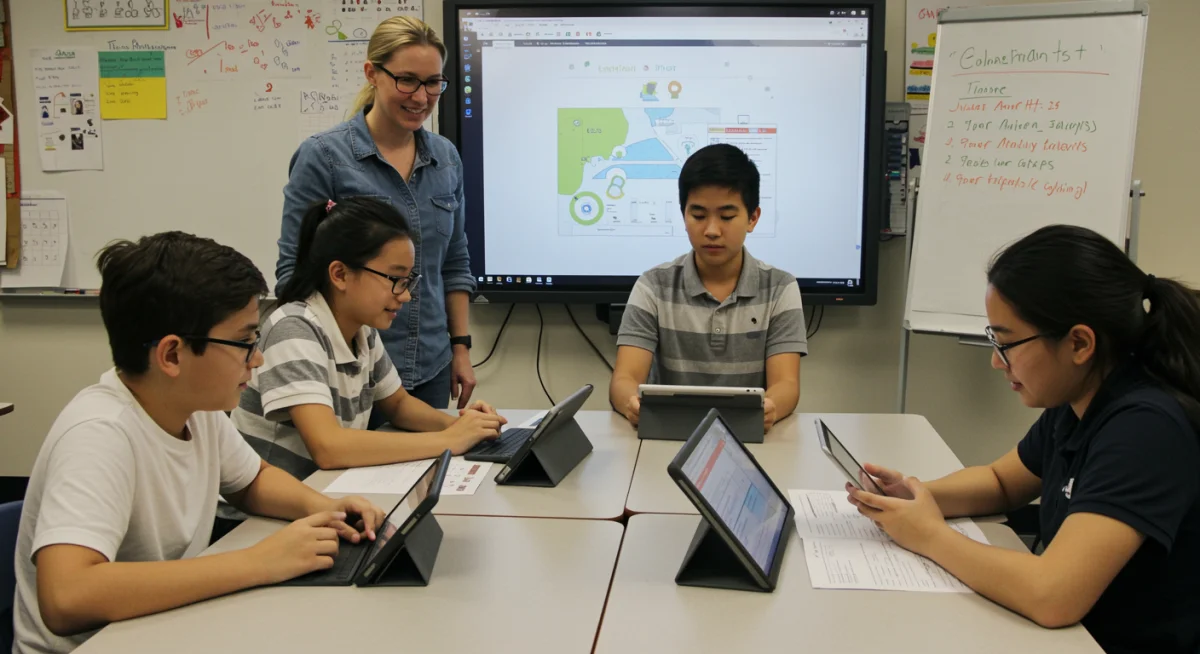
The traditional one-size-fits-all model of education is increasingly recognized as insufficient for meeting the diverse needs of today’s students. Personalized learning, at its core, advocates for tailoring educational experiences to individual student needs, interests, and learning styles. This approach leverages technology and flexible instructional strategies to create dynamic learning environments.
The shift towards personalized learning is not merely a pedagogical trend; it is a policy imperative. By focusing on individual student progression rather than rigid age-based cohorts, schools can unlock each child’s full potential. This requires significant investment in teacher training, curriculum development, and technological infrastructure, but the long-term benefits for student engagement and academic achievement are substantial.
Defining Personalized Learning in Policy
Policy proposals for 2025 emphasize defining clear metrics and standards for personalized learning. This includes guidelines for:
- Adaptive Curriculum Design: Developing curricula that can adjust in real-time to student performance and preferences.
- Competency-Based Progression: Allowing students to advance based on mastery of concepts rather than seat time.
- Individualized Learning Plans (ILPs): Mandating the creation of customized plans for each student, outlining goals and pathways.
- Teacher Professional Development: Providing extensive training for educators in personalized instruction techniques and data utilization.
Implementing personalized learning successfully demands a systemic overhaul, from how teachers are prepared to how schools are funded. It’s about empowering educators with the tools and autonomy to meet students where they are, fostering a love for learning and critical thinking skills that extend far beyond the classroom.
In essence, personalized learning pathways represent a fundamental reimagining of the educational journey. The goal is to move beyond standardized tests as the sole measure of success, embracing a more holistic view of student development and ensuring that every student receives the support they need to thrive academically and personally.
Integrating Comprehensive Mental Health Support in Schools
The mental health crisis among K-12 students has reached alarming levels, exacerbated by recent global events. Schools are increasingly on the front lines, and policy proposals for 2025 recognize the urgent need to integrate comprehensive mental health support directly into the educational system. This goes beyond crisis intervention, aiming for proactive and preventative strategies.
Addressing student mental health is not just about well-being; it’s about academic success. Students struggling with anxiety, depression, or other mental health challenges often find it difficult to focus, engage, and perform academically. A supportive school environment that prioritizes mental health can significantly improve student outcomes and foster a more positive learning atmosphere.
Key Components of Mental Health Policy
Proposed policies advocate for a multi-tiered system of support, including:
- Increased Access to Professionals: Mandating a higher ratio of school psychologists, counselors, and social workers per student.
- Universal Mental Health Screenings: Implementing regular, non-invasive screenings to identify students at risk early.
- Social-Emotional Learning (SEL) Curricula: Integrating SEL into daily lessons to teach coping mechanisms, empathy, and self-regulation.
- Teacher and Staff Training: Equipping all school personnel with basic mental health first aid and awareness training.
These measures aim to destigmatize mental health issues and create an environment where students feel safe seeking help. The policy proposals also emphasize collaboration with community mental health services to ensure seamless transitions for students requiring more intensive support. Such integration is vital for building resilient students and fostering a culture of care within schools.
Ultimately, a robust mental health infrastructure within schools is an investment in the long-term health and success of the student population. It acknowledges that education is not solely about academic instruction but also about nurturing the whole child, preparing them for life’s challenges with emotional intelligence and resilience.
Ensuring Equitable Resource Allocation Across Districts
One of the most persistent challenges in American K-12 education is the stark disparity in resources among school districts. This inequity often correlates with socioeconomic status, leading to significant gaps in educational opportunities and outcomes. Policy proposals for 2025 seek to confront this issue head-on, advocating for more equitable funding models and resource distribution.
Equitable resource allocation means more than just equal funding; it involves directing resources where they are most needed to address historical disadvantages and systemic barriers. This includes funding for high-quality teachers, advanced technology, robust special education programs, and extracurricular activities in underserved communities.
Strategies for Equitable Funding
New policies aim to achieve greater equity through several mechanisms:
- Progressive Funding Formulas: Implementing state funding formulas that allocate more resources to districts with higher concentrations of low-income students or students with special needs.
- Targeted Federal Grants: Increasing federal grants specifically designed to support high-need schools in areas like infrastructure, teacher recruitment, and specialized programs.
- Property Tax Reform: Exploring reforms to reduce reliance on local property taxes for school funding, which often exacerbates disparities between wealthy and poor districts.
- Transparency and Accountability: Establishing clear reporting requirements for how funds are used and their impact on student outcomes.
The goal is to provide every student, regardless of their zip code, with access to a high-quality education. This includes ensuring that schools in all communities have modern facilities, up-to-date learning materials, and highly qualified educators. Addressing resource inequity is not just a matter of fairness; it’s essential for the nation’s overall economic competitiveness and social cohesion.
By striving for equitable resource allocation, these policies aim to level the playing field, giving all students the foundational tools they need to succeed in higher education and the workforce. It’s a commitment to dismantling systemic barriers and fostering a truly inclusive educational system.
Leveraging Technology for Enhanced Learning Environments
The rapid advancement of technology offers unprecedented opportunities to revolutionize K-12 education. Policy proposals for 2025 emphasize strategic integration of technology not merely as a tool, but as a catalyst for creating richer, more interactive, and accessible learning environments. This involves more than just providing devices; it’s about thoughtful implementation and ongoing support.
Technology can bridge gaps, offer differentiated instruction, and connect students to a wealth of global resources. From virtual reality field trips to AI-powered tutoring systems, the potential to enhance learning outcomes and engage students in new ways is immense. However, effective integration requires careful planning, teacher training, and ensuring equitable access for all students, particularly those in underserved areas.
Policy Directives for Tech Integration
Key policy directives include:
- Infrastructure Investment: Funding to ensure high-speed internet access and robust digital infrastructure in all schools, especially rural and low-income districts.
- Digital Literacy Curricula: Developing and implementing curricula that teach students critical digital literacy skills, including responsible online behavior and computational thinking.
- Teacher Training in EdTech: Providing compulsory and ongoing professional development for educators on how to effectively integrate educational technology into their pedagogy.
- Personalized Learning Platforms: Encouraging the adoption and development of adaptive learning platforms that cater to individual student pace and style.
These policies aim to move beyond simply digitizing existing practices to truly transforming the learning experience. The focus is on using technology to foster deeper understanding, critical thinking, and problem-solving skills, preparing students not just for current technological demands but for future innovations.
Ultimately, leveraging technology in K-12 education is about empowering both students and teachers. It’s about creating dynamic, engaging, and personalized learning experiences that are accessible to all, ensuring that the next generation is well-equipped for a digitally-driven world.
Rethinking Teacher Recruitment and Retention Strategies
The quality of teaching is arguably the most critical factor in student success. However, the US faces persistent challenges in recruiting and retaining highly qualified educators, particularly in high-need subjects and underserved communities. Policy proposals for 2025 address this by advocating for innovative strategies to strengthen the teaching profession.
A stable, well-supported, and diverse teaching workforce is fundamental to the health of the K-12 system. Attracting talented individuals to the profession and ensuring they remain motivated and effective requires more than just competitive salaries; it demands a holistic approach that values their expertise and supports their professional growth.
Policy Initiatives for Workforce Development
Proposed policies focus on:
- Competitive Compensation Packages: Increasing teacher salaries and benefits to be competitive with other professions requiring similar levels of education and responsibility.
- Mentorship Programs: Establishing robust mentorship programs for new teachers to reduce attrition rates and foster professional growth.
- Streamlined Certification Processes: Reforming certification pathways to attract qualified professionals from diverse backgrounds while maintaining high standards.
- Professional Development Opportunities: Providing ongoing, high-quality professional learning that is relevant, collaborative, and tied to school improvement goals.
These initiatives aim to elevate the status of the teaching profession, making it a more attractive and sustainable career choice. By investing in teachers, we invest directly in the quality of education our students receive. This includes creating supportive school cultures where educators feel valued, heard, and empowered to innovate.
Rethinking teacher recruitment and retention strategies is essential for building a resilient and effective K-12 education system. It’s about recognizing that excellent teaching is the bedrock of student achievement and implementing policies that attract, develop, and keep the best educators in our classrooms.
Fostering Community Engagement and Parental Involvement
The success of K-12 education extends beyond the classroom walls and hinges significantly on the active involvement of parents and the broader community. Policy proposals for 2025 emphasize the creation of stronger partnerships between schools, families, and community organizations to build a more supportive ecosystem for student learning and development.
When schools are deeply connected to their communities, they benefit from enhanced resources, increased parental support, and a shared vision for student success. This collaboration can lead to improved academic outcomes, better behavioral management, and a stronger sense of belonging for students.
Policy Frameworks for Engagement
Key policy frameworks include:
- Family Resource Centers: Establishing school-based or district-wide centers that offer resources and support to families, including workshops on academic support, parenting skills, and access to social services.
- Community Partnerships: Encouraging and funding partnerships with local businesses, non-profits, and cultural institutions to provide enrichment opportunities, mentorships, and real-world learning experiences.
- Inclusive Decision-Making: Implementing mechanisms for meaningful parental and community input in school governance and policy development.
- Effective Communication Strategies: Developing clear, accessible, and culturally responsive communication channels between schools and families.
These policies aim to dismantle barriers to engagement and empower parents as vital partners in their children’s education. By actively involving families and the community, schools can create a more holistic support system that addresses the diverse needs of students both inside and outside of school hours.
Fostering community engagement and parental involvement is about recognizing that education is a shared responsibility. It’s about building bridges between home, school, and community to create a powerful network of support that champions every child’s growth and success.
| Key Policy Area | Brief Description |
|---|---|
| Personalized Learning | Tailoring education to individual student needs, leveraging technology and flexible pathways. |
| Mental Health Support | Integrating comprehensive mental health services and social-emotional learning into schools. |
| Equitable Resources | Reforming funding models to ensure fair distribution of resources across all school districts. |
| Teacher Workforce | Improving recruitment, retention, and professional development for K-12 educators. |
Frequently Asked Questions About K-12 Education Policy
Personalized learning tailors educational content and pace to each student’s unique needs, interests, and learning style. It’s crucial because it moves beyond a one-size-fits-all approach, fostering deeper engagement, improving academic outcomes, and preparing students more effectively for diverse future challenges. It leverages technology to create adaptive and responsive learning environments.
By 2025, policies aim to integrate comprehensive mental health support through increased access to school psychologists and counselors, universal mental health screenings, and the implementation of social-emotional learning curricula. Teacher training will also be enhanced to equip educators with basic mental health first aid, creating a more supportive and proactive school environment.
Policy proposals for equitable resource allocation include progressive funding formulas that direct more resources to high-need districts. They also advocate for increased targeted federal grants and reforms to reduce reliance on local property taxes for school funding. The goal is to ensure all students, regardless of location, have access to quality education.
Technology integration in K-12 will focus on robust digital infrastructure, digital literacy curricula, and extensive teacher training in educational technology. Personalized learning platforms and interactive tools will foster deeper understanding, critical thinking, and problem-solving skills, making learning more engaging and accessible for all students, preparing them for a digital future.
To improve teacher recruitment and retention, policies propose competitive compensation packages, robust mentorship programs for new educators, and streamlined certification processes. Additionally, providing ongoing, high-quality professional development opportunities is crucial. These strategies aim to elevate the teaching profession and ensure a stable, skilled workforce.
Conclusion
The future of K-12 education in the US, as envisioned by the policy proposals for 2025, represents a significant step towards creating a more responsive, equitable, and effective system. By prioritizing personalized learning, integrating comprehensive mental health support, ensuring equitable resource allocation, leveraging technology, and strengthening the teaching profession, these initiatives aim to address long-standing challenges and prepare every student for success in an ever-evolving world. The collective effort of policymakers, educators, parents, and communities will be essential in translating these ambitious proposals into tangible improvements for all American schoolchildren.
Autor