Pentagon Report 2026: 3 Emerging Global Risks & Updates
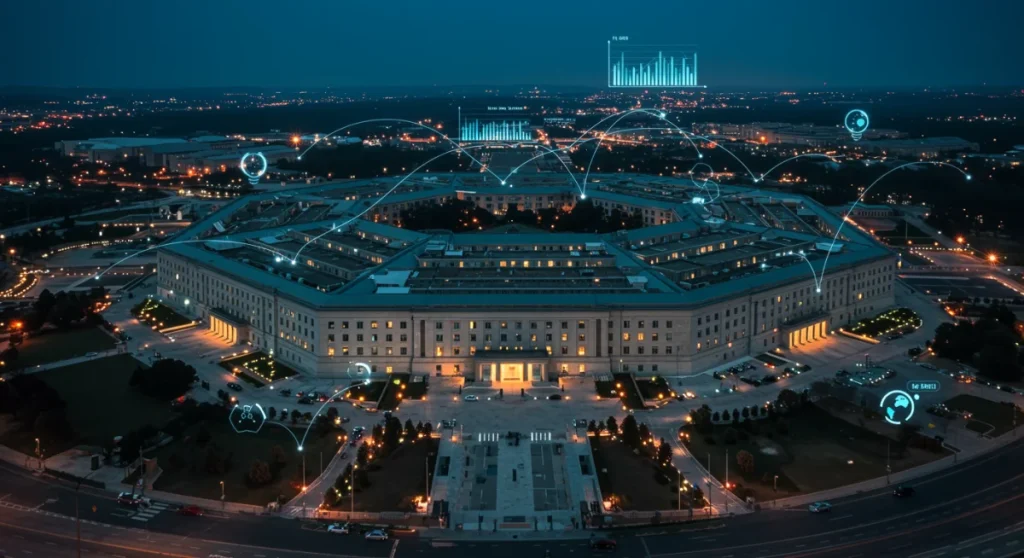
The Pentagon’s 2026 National Security Threat Assessment outlines three pivotal emerging global risks, demanding immediate strategic adaptation and recent policy updates to safeguard national interests.
The landscape of global security is constantly shifting, and understanding these changes is paramount for national stability. The latest National Security Threat Assessment 2026: Pentagon Report Highlights 3 Emerging Global Risks – RECENT UPDATES offers a critical look into the evolving challenges facing the United States, providing insights that shape defense strategies and international relations.
The Evolving Geopolitical Landscape and Great Power Competition
The global stage is witnessing a profound transformation, marked by renewed competition among great powers. This shift is not merely about military might but encompasses economic influence, technological dominance, and ideological narratives. The Pentagon’s 2026 assessment underscores how this competition is intensifying, leading to a more complex and unpredictable international environment.
Understanding the nuances of this geopolitical evolution is crucial. Nations are increasingly vying for resources, strategic territories, and spheres of influence, often through non-traditional means. This includes proxy conflicts, information warfare, and economic coercion, all of which contribute to a heightened state of global tension.
Rise of multi-polar world orders
The unipolar moment following the Cold War has given way to a more distributed power structure. Several nations are now asserting their influence on regional and global scales, creating a multi-polar system where alliances are fluid and interests can diverge rapidly. This requires a more agile and adaptive national security strategy.
- Increased regional conflicts and proxy wars.
- Shifting alliances and partnerships.
- Greater emphasis on economic and technological sovereignty.
- Challenges to established international norms and institutions.
Strategic implications for the United States
For the United States, this evolving landscape demands a re-evaluation of its global role and engagement. Maintaining strategic advantage requires not only military superiority but also robust diplomatic efforts and economic resilience. The report emphasizes the need to strengthen existing alliances while also exploring new partnerships to counter emerging threats effectively.
The continuous development of advanced military capabilities by rival nations, particularly in areas like hypersonic weapons and artificial intelligence, poses significant challenges to traditional defense doctrines. This necessitates substantial investment in research and development, alongside fostering innovation within the defense industrial base.
In conclusion, the resurgence of great power competition and the transition to a multi-polar world order are central to the Pentagon’s 2026 threat assessment. These dynamics require a comprehensive and integrated approach to national security, balancing military readiness with diplomatic engagement and economic strength to navigate an increasingly complex global environment.
Cyber Warfare and Information Disruption: The Invisible Battlefield
Cyber warfare has emerged as a pervasive and potent threat, fundamentally altering the nature of conflict. The Pentagon’s 2026 report highlights the escalating sophistication and frequency of cyberattacks, which can cripple critical infrastructure, destabilize economies, and undermine public trust without a single shot being fired. This invisible battlefield demands constant vigilance and innovative defensive strategies.
The digital domain is no longer merely a support function for military operations; it is a primary theater of war. Adversaries are investing heavily in offensive cyber capabilities, targeting government agencies, private companies, and even individual citizens. The pervasive reach of the internet means that a cyberattack launched from one corner of the globe can have immediate and devastating effects worldwide.
Advanced persistent threats (APTs)
State-sponsored actors and sophisticated criminal organizations employ advanced persistent threats (APTs) to infiltrate networks, steal sensitive data, and disrupt operations over extended periods. These attacks are often highly customized, difficult to detect, and designed to evade conventional security measures. Protecting against APTs requires a multi-layered defense strategy and continuous threat intelligence sharing.
- Targeting of critical national infrastructure (energy grids, financial systems).
- Espionage and intellectual property theft.
- Disinformation campaigns and propaganda.
- Supply chain vulnerabilities exploitation.
Protecting critical infrastructure
Safeguarding critical infrastructure from cyberattacks is a top national security priority. The interconnectedness of modern systems means that a breach in one sector can have cascading effects across others. The report stresses the importance of public-private partnerships to enhance cyber resilience, share best practices, and develop rapid response protocols.
Beyond defensive measures, the report also touches upon the development of offensive cyber capabilities, emphasizing the need for a strong deterrent posture. This involves clearly communicating the consequences of cyber aggression and being prepared to respond effectively when necessary, while adhering to international law and norms of responsible state behavior in cyberspace.
In summary, cyber warfare represents a significant and evolving risk in the 2026 National Security Threat Assessment. Its potential for widespread disruption and its clandestine nature necessitate a proactive and comprehensive national strategy that integrates technology, policy, and international cooperation to defend against this invisible but potent threat.
Climate Change and Resource Scarcity: Accelerating Global Instability
Climate change is no longer just an environmental concern; it is a profound national security threat. The Pentagon’s 2026 assessment underscores how environmental degradation and resource scarcity are exacerbating existing vulnerabilities, fueling conflicts, and displacing populations on an unprecedented scale. These factors create cascading effects that challenge global stability and demand urgent attention.
The impacts of climate change, such as rising sea levels, extreme weather events, and prolonged droughts, directly threaten military installations, disrupt supply chains, and create humanitarian crises. These events can strain military resources, diverting attention and assets from traditional defense missions. Addressing these challenges requires a holistic approach that integrates climate resilience into defense planning.
Water and food insecurity
As global temperatures rise, access to fresh water and arable land becomes increasingly scarce in many regions. This scarcity can lead to widespread food insecurity, triggering mass migrations, civil unrest, and cross-border conflicts. The report highlights regions most vulnerable to these pressures and anticipates their potential to become future flashpoints for instability.
- Increased competition over shrinking water resources.
- Displacement of populations due to crop failures and desertification.
- Heightened tensions in border regions facing shared resource challenges.
- Risk of extremist groups exploiting resource scarcity for recruitment.
Impact on military operations and readiness
Climate change directly affects military operations and readiness. Naval bases face threats from rising sea levels, while extreme heat can impact equipment performance and troop health. The need for humanitarian assistance and disaster relief operations is also increasing, placing additional demands on military logistics and personnel. Adapting to these new realities is critical for maintaining operational effectiveness.
Furthermore, the shift towards renewable energy and sustainable practices within the defense sector is gaining traction. Reducing reliance on fossil fuels not only contributes to environmental goals but also enhances energy independence and reduces logistical vulnerabilities in contested environments.
Ultimately, climate change and resource scarcity are identified as critical drivers of global instability in the 2026 Pentagon report. Recognizing these as core national security issues allows for better preparedness and the development of strategies that mitigate their disruptive effects, ensuring a more secure future.
Technological Advancement and AI: The Double-Edged Sword
Rapid technological advancement, particularly in artificial intelligence (AI), presents both immense opportunities and significant risks to national security. The Pentagon’s 2026 report meticulously analyzes how AI, autonomous systems, and other emerging technologies are transforming warfare, intelligence gathering, and global power dynamics. This profound shift necessitates careful ethical consideration and strategic investment.
The development of AI-powered weapons systems, advanced surveillance capabilities, and sophisticated cyber tools raises complex questions about accountability, control, and the potential for unintended escalation. While these technologies offer strategic advantages, their proliferation also poses new threats, making it imperative to establish international norms and safeguards.
AI in military applications
AI is being integrated into various military applications, from enhancing intelligence analysis and logistics to enabling autonomous drones and predictive maintenance. These advancements promise to increase efficiency and effectiveness on the battlefield, but they also introduce new ethical dilemmas and the potential for algorithmic bias in decision-making processes.
- Enhanced intelligence gathering and analysis.
- Autonomous weapon systems development.
- Predictive logistics and maintenance.
- Cyber defense and offense automation.
Ethical considerations and international norms
The ethical implications of AI in warfare are a growing concern. Establishing clear international norms and regulations for the development and deployment of autonomous weapon systems is crucial to prevent an uncontrolled arms race and ensure human oversight in critical decisions. The report emphasizes the need for multilateral dialogues to address these complex issues.

Moreover, the report highlights the importance of maintaining a technological edge through robust research and development, fostering public-private partnerships, and attracting top talent. However, this must be balanced with robust security measures to prevent intellectual property theft and ensure the integrity of critical defense systems.
In conclusion, technological advancements, especially in AI, are a central theme in the 2026 National Security Threat Assessment. While offering transformative potential for defense, they also demand rigorous ethical consideration, international cooperation, and a proactive approach to managing their inherent risks to global stability.
Pandemics and Biological Threats: A Persistent and Evolving Danger
The recent past has starkly reminded the world of the devastating potential of pandemics and biological threats. The Pentagon’s 2026 assessment acknowledges these as persistent and evolving dangers, capable of causing widespread disruption, economic collapse, and social unrest, thereby posing a significant challenge to national security. Preparedness and rapid response are paramount.
Biological threats can originate from natural outbreaks, accidental releases, or deliberate acts of bioterrorism. The report emphasizes that the interconnectedness of the modern world means that a pathogen can spread globally with alarming speed, overwhelming healthcare systems and destabilizing societies. This requires a robust public health infrastructure integrated with national security planning.
Global health security initiatives
Investing in global health security initiatives is critical to preventing and responding to future biological threats. This includes strengthening surveillance systems, improving early warning capabilities, and supporting international efforts to develop vaccines and therapies. Collaborative research and information sharing across borders are essential for a coordinated global response.
- Enhanced disease surveillance and detection.
- Rapid development and equitable distribution of medical countermeasures.
- International cooperation in public health emergencies.
- Strengthening of national and international health organizations.
Military’s role in disaster response
The military often plays a crucial role in responding to large-scale biological events, providing logistical support, medical personnel, and emergency infrastructure. The report highlights the need for continued training and resource allocation to ensure that military forces are adequately prepared to assist civilian authorities during such crises, both domestically and internationally.
Furthermore, the assessment delves into the potential for deliberate biological attacks. This necessitates enhanced intelligence gathering, counter-proliferation efforts, and the development of defensive measures against a wide range of biological agents. Protecting critical research facilities and maintaining strict biosecurity protocols are also key components of this defense.
To summarize, pandemics and biological threats remain a significant and enduring concern within the 2026 National Security Threat Assessment. Proactive investment in global health security, robust military-civilian coordination, and strong international partnerships are vital to mitigating these risks and safeguarding national well-being.
Space as a Contested Domain: The New Frontier of Conflict
Space, once considered a neutral arena for scientific exploration, has rapidly emerged as a critical and contested domain for national security. The Pentagon’s 2026 report details how nations are increasingly militarizing space, developing capabilities that can disrupt, degrade, or destroy satellite systems vital for communication, navigation, and intelligence. This new frontier demands strategic foresight and robust defense.
Satellites are integral to modern life and military operations, supporting everything from GPS-guided missiles to global financial transactions. The vulnerability of these assets to attack creates a significant strategic risk. Any disruption in space-based capabilities could have widespread and devastating consequences, impacting both civilian and military sectors.
Anti-satellite (ASAT) weapons development
Several nations are investing heavily in anti-satellite (ASAT) weapons, including direct-ascent missiles, co-orbital systems, and cyber capabilities designed to jam or disable satellites. The development and testing of these weapons raise serious concerns about space debris and the potential for weaponizing outer space, leading to a dangerous escalation of tensions.
- Development of kinetic and non-kinetic ASAT capabilities.
- Increased risk of space debris from destructive testing.
- Cyberattacks targeting satellite ground control systems.
- Proliferation of dual-use technologies with space applications.
Ensuring space resilience and deterrence
To counter these threats, the United States is focusing on enhancing space resilience, which involves diversifying satellite constellations, hardening systems against attack, and developing alternative capabilities. Deterrence in space also requires clear communication of red lines and the capacity to respond effectively to aggression, while promoting responsible behavior among spacefaring nations.
The report also emphasizes the importance of international collaboration in establishing norms of behavior in space, aiming to prevent miscalculation and reduce the risk of conflict. Diplomacy and arms control efforts are seen as crucial complements to technological advancements in maintaining a stable and secure space environment.
In conclusion, space has become an undeniable domain of conflict, posing unique national security challenges in the 2026 assessment. Protecting vital space assets, fostering resilience, and pursuing international cooperation are essential strategies to navigate this new frontier and ensure continued access to the benefits of outer space.
| Key Threat Area | Brief Description of Risk |
|---|---|
| Geopolitical Competition | Intensifying rivalry among great powers, leading to shifting alliances and increased regional instability. |
| Cyber Warfare | Sophisticated attacks targeting critical infrastructure, economies, and information systems globally. |
| Climate & Resource Scarcity | Environmental degradation exacerbating conflicts, mass migrations, and food/water insecurity. |
| Space as a Contested Domain | Militarization of space and threats to satellite systems vital for modern operations. |
Frequently Asked Questions About the 2026 Pentagon Report
The Pentagon’s 2026 assessment highlights great power competition, cyber warfare, and climate change/resource scarcity as primary emerging global risks. These interconnected threats demand comprehensive strategies to safeguard national security and maintain international stability in an evolving geopolitical landscape.
Cyber warfare poses a significant threat by enabling attacks on critical infrastructure, economic systems, and information networks. The report emphasizes its potential to disrupt without direct military confrontation, necessitating advanced defensive measures and international cooperation to protect against sophisticated state-sponsored and criminal activities.
Climate change is recognized as a threat multiplier, exacerbating existing vulnerabilities like resource scarcity and mass migration. It directly impacts military operations and readiness, requiring adaptation of defense planning to address challenges such as sea-level rise, extreme weather, and increased humanitarian aid demands globally.
AI offers transformative potential for military capabilities, enhancing intelligence and autonomous systems. However, it also introduces ethical dilemmas, the risk of autonomous weapon proliferation, and the need for international norms to prevent an arms race. Balancing innovation with responsible development is crucial for future security.
The report highlights space as a contested domain, with nations developing anti-satellite capabilities. The Pentagon is focusing on enhancing space resilience through diversified constellations and hardened systems, alongside diplomatic efforts to establish international norms and deter aggression in this critical new frontier.
Conclusion
The 2026 National Security Threat Assessment from the Pentagon paints a clear picture of an increasingly complex and interconnected global security environment. The identified emerging risks—great power competition, sophisticated cyber warfare, and the pervasive impacts of climate change—are not isolated challenges but rather interwoven threats that demand an integrated and adaptive response. As the world moves forward, proactive strategies, robust international cooperation, and continuous innovation will be essential to safeguard national interests and ensure a stable future in the face of these evolving global dynamics.
Autor