Remote Work Benefits 2025: Impact and Expectations
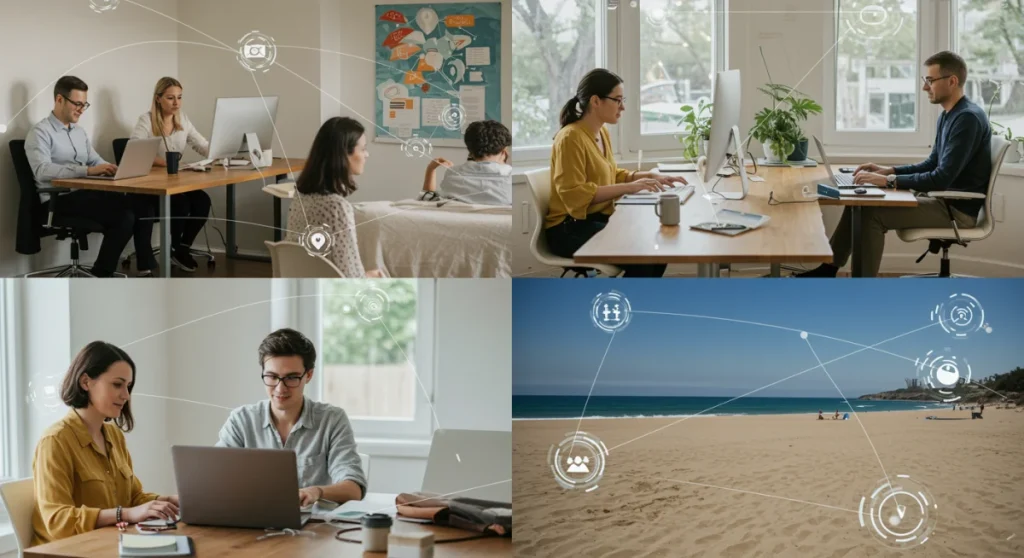
The impact of new remote work benefits in 2025 will fundamentally reshape employee expectations, offering more personalized well-being programs, greater flexibility, and advanced technological support to foster a more inclusive and productive workforce.
As we approach January 2025, the conversation around remote work benefits is shifting from a temporary response to a permanent evolution. The pandemic accelerated a trend that is now firmly rooted in the corporate world, prompting organizations to rethink how they support their distributed workforce. This article delves into the impact of new remote work benefits in 2025, exploring the key shifts and what employees in the United States can anticipate.
The Evolution of Remote Work Benefits: Beyond the Basics
The initial phase of remote work benefits often centered on providing basic equipment and internet stipends. However, as remote work solidified its place, companies recognized the need for a more comprehensive approach. This evolution is driven by a deeper understanding of employee needs, the desire to attract and retain top talent, and the imperative to maintain productivity and engagement in a distributed environment.
In 2025, benefits packages are moving beyond mere logistical support. They are increasingly designed to address the holistic well-being of employees, encompassing physical, mental, and financial health. This shift reflects a growing awareness that a truly effective remote work strategy must support individuals in all aspects of their lives, not just their professional output.
Redefining Well-being Programs for Remote Employees
One of the most significant changes expected in 2025 is the expansion and personalization of well-being programs. Companies are investing more in mental health support, recognizing the unique challenges of remote work, such as isolation and burnout. These programs are no longer one-size-fits-all but are tailored to individual needs and preferences.
- Enhanced Mental Health Support: Access to virtual therapy sessions, mindfulness apps, and stress management workshops will become standard offerings.
- Physical Wellness Initiatives: Subsidies for home gym equipment, virtual fitness classes, and ergonomic assessments for home office setups.
- Nutritional Guidance: Partnerships with online nutritionists and healthy meal delivery services to promote better eating habits.
These initiatives aim to create a supportive ecosystem where employees feel valued and empowered to prioritize their health. The focus is on proactive care rather than reactive solutions, helping to prevent issues before they impact productivity and morale. Companies are realizing that a healthy employee is a productive employee, regardless of their physical location.
The comprehensive nature of these well-being programs signifies a broader commitment from employers to their workforce. It’s about creating a culture where employees feel supported and have the resources they need to thrive, both personally and professionally. This proactive approach to well-being is a cornerstone of the new remote work benefits landscape.
Flexible Work Arrangements and Time Off Policies
Flexibility has always been a cornerstone of remote work, but in 2025, it’s taking on new dimensions. Beyond simply working from home, companies are exploring more nuanced approaches to work-life integration. This includes greater autonomy over work schedules, compressed workweeks, and enhanced paid time off policies.
The traditional 9-to-5 workday is becoming increasingly obsolete as organizations embrace asynchronous work models. This allows employees to complete tasks during their most productive hours, regardless of conventional office hours, fostering a better balance between personal and professional commitments.
The Rise of Asynchronous Work and Global Teams
Asynchronous work models are gaining traction, enabling teams to collaborate across different time zones and schedules without constant real-time interaction. This approach demands clear communication, robust project management tools, and a culture of trust and autonomy.
- Flexible Hours: Employees can adjust their start and end times to accommodate personal appointments or family responsibilities.
- Compressed Workweeks: Four-day workweeks or 9/80 schedules are being piloted and adopted by more organizations.
- Location Independence: While still primarily remote, some roles offer complete location independence, allowing employees to work from anywhere globally.
These flexible arrangements are not just about convenience; they are about empowering employees to design a work life that suits their individual needs. This level of flexibility contributes significantly to job satisfaction and reduces stress, leading to higher retention rates and overall employee well-being. Companies that offer these benefits are seen as progressive and employee-centric.
Moreover, the concept of unlimited PTO, while not universally adopted, is being re-evaluated and refined. Many companies are moving towards generous, clearly defined PTO policies that encourage employees to take necessary breaks without guilt. The emphasis is on outcomes and results, rather than hours clocked, fostering a culture of trust and accountability.
Technological Advancements and Infrastructure Support
The success of remote work hinges significantly on the technological infrastructure supporting it. In 2025, companies are investing heavily in advanced tools and platforms designed to enhance collaboration, cybersecurity, and overall remote productivity. This goes beyond providing a laptop; it’s about creating a seamless digital workspace.
From advanced video conferencing solutions to integrated project management software, the goal is to replicate and even improve upon the in-office experience. Furthermore, robust cybersecurity measures are paramount to protect sensitive data in a distributed environment, ensuring compliance and maintaining trust.
Investing in Seamless Remote Work Tools
To ensure a smooth remote work experience, organizations are prioritizing investments in cutting-edge technology. This includes not only software but also hardware that supports efficient and secure operations from any location. The focus is on creating an ecosystem where employees can perform their best work without technological hindrances.
- Advanced Collaboration Platforms: Tools that integrate communication, document sharing, and project management to streamline workflows.
- Enhanced Cybersecurity: VPNs, multi-factor authentication, and regular security training to protect company data.
- Ergonomic Home Office Stipends: Financial support for employees to purchase ergonomic chairs, standing desks, and high-quality monitors.
These technological investments are crucial for maintaining productivity and fostering a sense of connection among remote teams. They enable real-time collaboration, facilitate knowledge sharing, and ensure that all employees have access to the resources they need, regardless of their location. The aim is to bridge any geographical gaps and create a cohesive working environment.

Furthermore, companies are exploring augmented reality (AR) and virtual reality (VR) solutions for virtual meetings and immersive training experiences. While still in nascent stages, these technologies promise to revolutionize remote interaction, making virtual collaboration feel more personal and engaging. The future of remote work technology is about creating richer, more interactive experiences.
Professional Development and Career Growth for Remote Employees
One of the initial concerns with remote work was its potential impact on career progression and professional development. However, in 2025, companies are actively addressing this by implementing dedicated programs and resources to ensure remote employees have equal opportunities for growth and advancement.
This includes access to online learning platforms, mentorship programs, and clear pathways for promotion. The goal is to dismantle any perceived barriers to career development that might arise from not being physically present in an office environment.
Tailored Learning and Development Programs
Remote employees often benefit from self-paced learning opportunities that fit into their flexible schedules. Companies are leveraging digital platforms to deliver high-quality training and development content, making it accessible to everyone, everywhere.
- Online Course Subscriptions: Providing access to platforms like Coursera, LinkedIn Learning, or Udemy for skills enhancement.
- Virtual Mentorship Programs: Connecting remote employees with senior leaders for guidance and career advice.
- Internal Skill-Building Workshops: Offering virtual workshops on topics relevant to remote work, such as digital communication and time management.
These initiatives are vital for fostering a culture of continuous learning and ensuring that remote employees remain competitive and engaged. By investing in their professional development, companies demonstrate their commitment to their remote workforce and help build a strong talent pipeline. It’s about ensuring that geographical distance doesn’t equate to career stagnation.
Moreover, performance management systems are being refined to be more objective and outcome-focused, minimizing unconscious biases that might favor in-office employees. Regular feedback loops, clear goal setting, and transparent promotion criteria are becoming standard practices, ensuring fairness and equity for all team members.
The Role of Inclusivity and Community Building
Remote work, while offering immense flexibility, can sometimes lead to feelings of isolation. In 2025, a significant focus for companies is on fostering a strong sense of community and inclusivity among their distributed workforce. This involves intentional efforts to create virtual spaces for social interaction and connection, ensuring that all employees feel part of the team.
From virtual team-building events to dedicated communication channels for non-work-related discussions, the aim is to replicate the informal interactions that often occur in a physical office. These efforts are crucial for maintaining morale, strengthening team bonds, and preventing burnout.
Creating a Connected Remote Culture
Building a cohesive remote culture requires deliberate strategies that go beyond formal meetings. It involves creating opportunities for spontaneous interaction and shared experiences, even in a virtual setting. This helps to combat feelings of detachment and reinforces a sense of belonging.
- Virtual Social Events: Online happy hours, game nights, and themed virtual gatherings to encourage informal interaction.
- Employee Resource Groups (ERGs): Virtual ERGs that provide support and community for diverse groups of employees.
- Regular Check-ins and Feedback: Managers conducting frequent one-on-one check-ins to gauge employee well-being and engagement.
These initiatives are not just about fun; they are about building a resilient and supportive remote community. When employees feel connected to their colleagues and the company culture, they are more likely to be engaged, productive, and satisfied with their jobs. Inclusivity in a remote setting means actively working to ensure every voice is heard and every individual feels valued.
Companies are also experimenting with hybrid models that include occasional in-person meetups or retreats. These gatherings provide valuable opportunities for remote teams to connect face-to-face, strengthen relationships, and collaborate on strategic initiatives. The blend of virtual and in-person interactions is seen as the optimal approach for fostering a vibrant remote culture.
Financial Support and Compensation Adjustments
The financial aspects of remote work benefits are also undergoing significant changes in 2025. Beyond basic stipends, companies are exploring more comprehensive financial support mechanisms, including adjustments to compensation, cost-of-living allowances, and expanded benefits related to home office expenses.
The debate around location-based pay is evolving, with some companies opting for a universal pay scale, while others continue to adjust salaries based on geographical cost of living. Transparency in compensation policies is becoming increasingly important to attract and retain talent in a competitive remote job market.
Navigating Location-Based Pay and Cost-of-Living Adjustments
The question of how to compensate remote employees fairly, especially those in different geographical locations, is complex. Companies are adopting various strategies to address this, aiming for equity while also managing budgetary considerations. Clear communication about these policies is key to employee satisfaction.
- Home Office Expense Reimbursement: Covering costs for internet, utilities, and office supplies beyond initial setup.
- Financial Wellness Programs: Offering access to financial advisors, budgeting tools, and retirement planning resources.
- Transparent Compensation Models: Clearly outlining how salaries are determined, whether location-based or universal.
These financial benefits are crucial for alleviating the economic burden of remote work on employees and ensuring they feel adequately compensated. A holistic approach to financial well-being can significantly reduce stress and improve overall job satisfaction, allowing employees to focus on their work without undue financial worry.
Furthermore, some organizations are exploring benefits that cater to specific regional needs, such as public transport subsidies for hybrid workers or local amenity access for fully remote employees. The trend is towards personalized financial support that acknowledges the diverse circumstances of a distributed workforce, ensuring fairness and competitive compensation across the board.
| Key Benefit Area | What to Expect in 2025 |
|---|---|
| Employee Well-being | Personalized mental health support, physical wellness programs, and nutritional guidance. |
| Flexibility & Time Off | Expanded asynchronous work, compressed workweeks, and enhanced PTO policies. |
| Technology & Infrastructure | Advanced collaboration tools, robust cybersecurity, and ergonomic home office stipends. |
| Professional Development | Access to online learning, virtual mentorship, and clear remote career pathways. |
Frequently Asked Questions About Remote Work Benefits in 2025
The most significant changes include a deeper focus on holistic employee well-being, encompassing mental, physical, and financial health, alongside greater flexibility in work schedules and enhanced technological support for seamless remote operations.
Mental health support will become more personalized, offering virtual therapy, mindfulness apps, and stress management workshops. The goal is to provide proactive care and resources tailored to individual needs, addressing the unique challenges of remote work.
Compensation models are evolving to be more transparent, with some companies adopting universal pay scales and others refining location-based adjustments. Expect clearer policies on home office expense reimbursement and expanded financial wellness programs.
Remote workers can anticipate more advanced collaboration platforms, robust cybersecurity measures, and increased stipends for ergonomic home office equipment. Emerging technologies like AR/VR for virtual meetings are also on the horizon.
Companies will focus on virtual social events, employee resource groups, and regular check-ins to combat isolation. Hybrid models with occasional in-person meetups will also be utilized to strengthen team bonds and foster a connected remote culture.
Conclusion
The landscape of remote work benefits in 2025 is poised for a transformative shift, moving beyond mere practicality to embrace a holistic approach to employee well-being and engagement. Companies are recognizing that investing in comprehensive benefits—from personalized mental health support and flexible work arrangements to advanced technological infrastructure and robust professional development programs—is not just an expenditure but a strategic imperative. As January 2025 approaches, employees can anticipate a workplace experience that is more inclusive, supportive, and empowering, ultimately fostering greater job satisfaction and sustainable productivity in the evolving world of remote work.
Autor